
How to Reduce Electric Hoist Energy Consumption: Cost-Saving Tips for Businesses
KAMOME
1/24/20261 min read
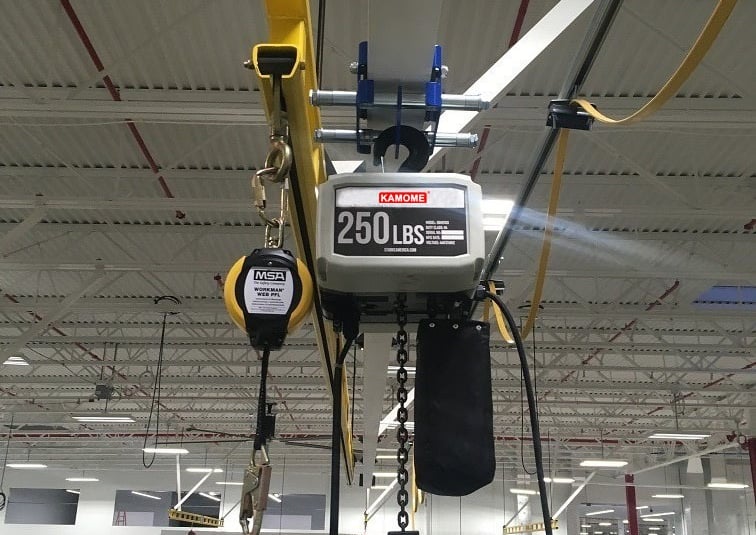
For businesses relying on electric hoists for industrial lifting, energy consumption directly impacts operational costs. Reducing your electric hoist’s energy use not only cuts utility bills but also extends equipment lifespan and supports sustainable operations. Below are practical, easy-to-implement tips to save energy and money.
First, choose the right electric hoist for your needs. Oversized hoists consume more energy than necessary—match the hoist’s load capacity and speed to your actual lifting tasks. For example, a small chain electric hoist is more energy-efficient than a heavy-duty wire rope hoist for light to moderate loads.
Second, optimize operational habits. Avoid unnecessary idling: turn off the hoist when not in use, even for short breaks. Minimize frequent starts and stops, as these consume extra energy; plan lifting tasks to reduce repetitive movements and maximize efficiency per use.
Third, keep the hoist well-maintained. A poorly maintained hoist (e.g., unlubricated parts, worn components) increases friction and energy consumption. Regularly lubricate chains, gears, and bearings, replace worn parts promptly, and keep the hoist clean to ensure smooth, energy-efficient operation.
Fourth, use energy-saving accessories. Equip your hoist with variable frequency drives (VFDs) to adjust speed based on load, reducing energy waste during low-demand tasks. LED control panels and efficient motors also lower overall energy use without sacrificing performance.
Finally, train operators properly. Ensure your team understands energy-saving practices—such as avoiding overloading, using optimal lifting speeds, and following maintenance checks. Proper operation prevents energy waste and costly equipment damage.
These simple tips help businesses reduce electric hoist energy consumption, cut costs, and boost operational efficiency—all while extending equipment life. Start implementing them today for long-term savings.