
How to Install an Electric Hoist Safely: Step-by-Step Instructions for Industrial Use
KAMOME
1/28/20261 min read
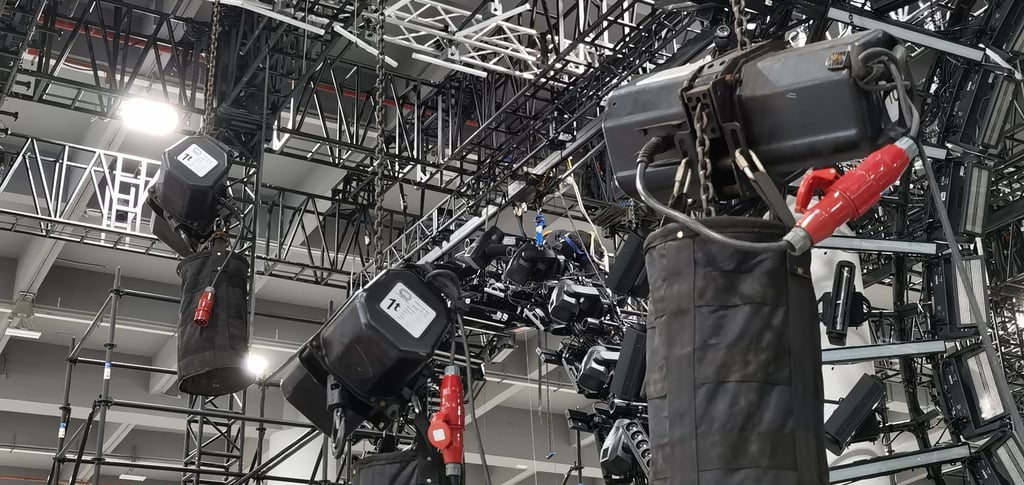
Safe installation of an electric hoist is critical to prevent workplace accidents, equipment damage, and operational downtime. Whether you’re installing a chain or wire rope electric hoist in a factory, warehouse, or construction site, following these step-by-step instructions ensures compliance with safety standards and reliable performance.
Step 1: Prepare and Inspect Before installation, confirm the mounting structure (beam, crane, or bracket) can bear the hoist’s weight plus 50% of its maximum load. Inspect the hoist for damage—check chains/wire ropes, bolts, and electrical components. Gather tools (wrenches, bolts, wire cutters) and ensure the power supply is disconnected to avoid electric shocks.
Step 2: Mount the Hoist Securely Attach the hoist to the pre-inspected structure using compatible bolts and fasteners. Tighten all connections firmly to prevent wobbling. For trolley hoists, ensure the trolley is properly aligned with the beam and moves smoothly without obstruction.
Step 3: Connect Electrical Components Only qualified electricians should handle wiring. Connect the hoist to the power supply, ensuring proper grounding to prevent short circuits. Test the control panel (up/down buttons, emergency stop) to confirm electrical connections work correctly.
Step 4: Test Safety Features Activate the overload limiter and upper/lower limit switches to verify they function—these prevent overloading and overtravel. Conduct a no-load test: run the hoist up and down to check for unusual noise, jerky movement, or loose parts.
Step 5: Final Inspection and Training Perform a final visual check of all connections and components. Train operators on safe operation and emergency procedures before putting the hoist into regular use. Keep a record of installation and inspections for compliance.
Following these steps ensures safe, compliant electric hoist installation. For complex setups, consult a professional technician to avoid risks and ensure long-term reliability.