
Common Electric Hoist Malfunctions and Quick Troubleshooting Solutions
KAMOME
1/23/20261 min read
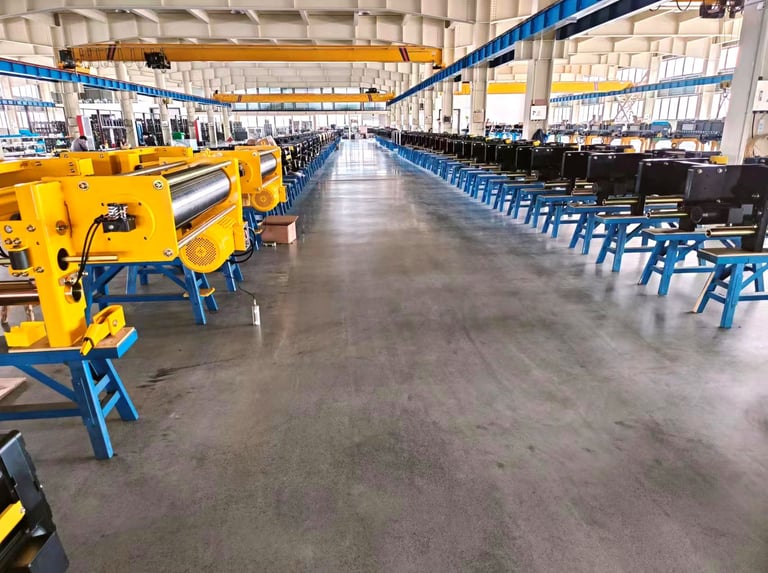
Electric hoists are vital for efficient industrial lifting, but unexpected malfunctions can disrupt operations, risk safety, and shorten equipment lifespan. Knowing common issues and quick troubleshooting steps helps you resolve problems fast, minimize downtime, and keep your electric hoist running smoothly.
1. Hoist Fails to Start This is the most frequent issue, often caused by power problems. Check if the power supply is connected properly, fuses are intact, and cables have no damage or loose connections. If the power is normal, inspect the emergency stop button—ensure it’s not pressed or stuck.
2. Lifting/Lowering is Slow or Jerky Slow or jerky movement usually stems from insufficient lubrication or worn components. Lubricate the chain, gears, or wire rope (based on your hoist type) and check for frayed chains/wire ropes or damaged gears. Replace worn parts promptly to avoid further issues.
3. Abnormal Noise During Operation Grinding, squeaking, or rattling noises indicate loose parts or lack of lubrication. Tighten loose bolts, nuts, or fasteners, and apply appropriate lubricant to moving components. If noise persists, inspect for bent parts or internal damage.
4. Hoist Stops Suddenly Mid-Operation Sudden stops often relate to overload or limit switch issues. Ensure you’re not exceeding the hoist’s rated load. Check the upper and lower limit switches—clean them if dusty or adjust if misaligned, as they prevent overtravel and trigger automatic stops.
5. Electrical Short Circuits Short circuits may cause the hoist to shut down or trip breakers. Inspect cables for cracks, corrosion, or exposed wires. Replace damaged cables and ensure electrical connections are dry and properly grounded to avoid safety hazards.
Most electric hoist malfunctions are preventable with regular maintenance, but these quick troubleshooting steps resolve common issues fast. For persistent problems, consult a professional technician to avoid further damage or safety risks.